What a treatment locks down before the schedule does
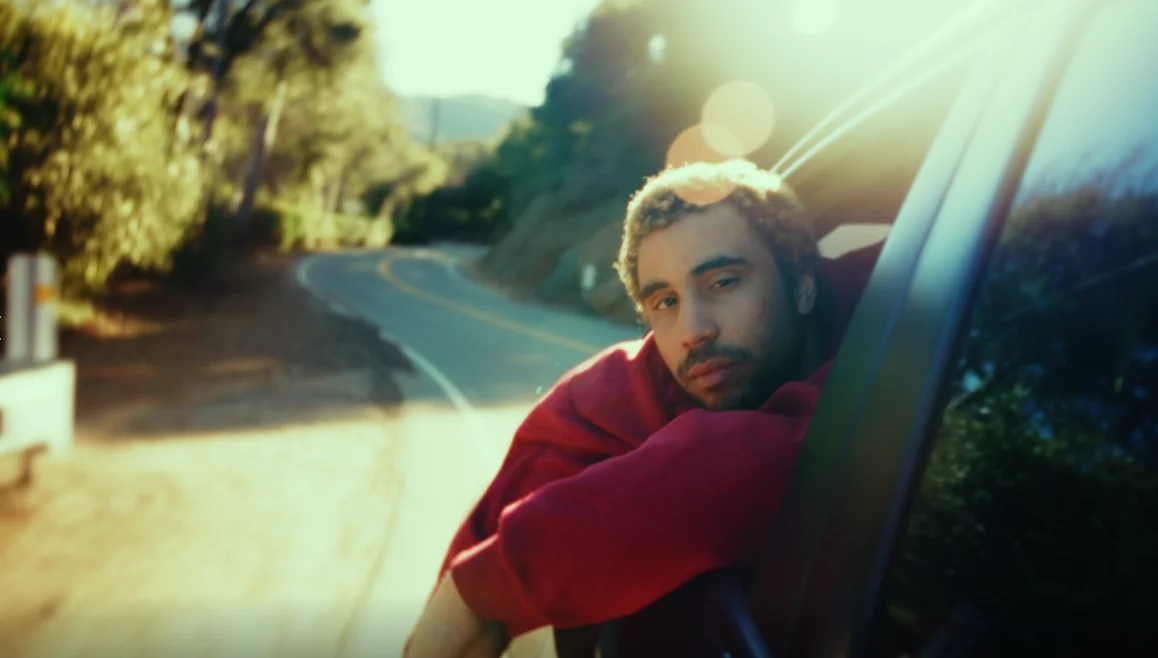
A treatment is the document that turns a song into a shootable plan. It carries the concept, the visual references, whether the video runs on performance or narrative, the locations, the wardrobe and art direction, and the order of setups. A director pitches it to the artist directly or to a label commissioner. Once it is approved, the schedule and the budget are built from it.
Changing the treatment after the schedule locks is what breaks budgets. A location added in the final week pulls a company move into a day that had no room for one. A wardrobe change added after the fitting adds a setup and quietly removes another.
Studio 47 shot the Melkin videos for "Cooped Up" and "Did You Miss Me" on that footing: concept agreed before the calendar, then the day built to protect it. The treatment settles arguments later too. When a manager and a label creative disagree in the edit about what the video was supposed to be, it is the only written record of the answer.
Playback, lip sync and the speed ramp problem
Playback is how a performance cut holds together. The track runs on set at a level everybody can hear, the artist performs to it, and every take carries a clear sync point at the top so the edit lines takes up against one reference instead of against each other. A playback operator owns that job. Nobody else has spare hands for it.
Speed is where it gets technical. A performance shot at 48 or 60 frames per second and played at 24 runs slower than life, and the lip sync goes with it. So the track is played back sped up by the same ratio and the camera overcranks to match. Conform the footage back in the edit and the artist moves in slow motion while the mouth still lands on the beat. Get the ratio wrong on set and no editor fixes it afterwards.
Long takes drift. A three-minute performance recorded on a camera whose clock runs slightly off the playback source will separate by the end, which is why a full-length take gets checked before the setup is struck. Speed ramps are planned alongside it, because a ramp has to start and finish on frames the sync survives.
How a label or commissioner builds the shoot day
A music video day carries more setups than a commercial day of the same length, and each gets less time. That arithmetic decides everything else.
Performance energy degrades with repetition, so the takes that matter are shot while it is still there. The performance master, the full-length take covering the song end to end, is captured early and protected. Everything after it is coverage against something that already works. Wardrobe changes are scheduling events rather than costume decisions, because each one stops the camera. Dancers and crowd are a call-time problem before they are a choreography problem.
Brand and marketing managers commissioning artist-led content buy into this workflow whether they planned to or not. An artist campaign built on a released track carries music clearance, label approval and the artist's own availability attached, none of which appear on a standard brand campaign shoot. The approval chain runs through management rather than an agency producer, and it moves on a release calendar rather than a media plan.
Behind the scenes, and hitting a release date
A music video has a hard date behind it, and the date is set by people who are not in the room: the release schedule, the playlist pitch, the tour announcement.
That changes how the edit runs. We lock picture earlier than we would on a brand film, and we build the schedule backwards from delivery rather than forwards from the shoot. If the video has to be live on a Friday, the last realistic day for feedback is the Monday before, and everything upstream of that gets sized to fit.
Behind the scenes coverage is where most releases lose value. A second shooter working the set all day costs a fraction of the main unit and produces the vertical clips, stills and teaser material that carry the two weeks before the video drops. Shot on the day it is nearly free. Recreated afterwards it is a second production.
The other habit worth keeping is holding back a few seconds of usable material that never appears in the video. A shot that did not make the cut is the strongest thing an artist can post on release day, because nobody has seen it and it still looks like the film.
Lighting a performer so the artist reads at every size
A music video gets watched on a phone before it gets watched on anything else, and that decides the lighting more than the treatment does.
Contrast is what survives a small screen. A face lit with a clear key and a defined edge stays readable at thumbnail size. A flat, evenly lit scene turns to mush the moment compression touches it, which is why so much beautifully shot performance footage looks weaker on the platform than it did on the monitor.
Colour does the same job. One dominant hue per section gives the viewer a reason to feel the change when the track changes, and it makes the edit legible even to somebody scrolling past with the sound off.
Movement has to be motivated by the track. A push on a chorus lands. The same push on a verse reads as an accident. We plan camera movement against the arrangement rather than against the shot list, which is why playback and a tight lip sync pass matter so much on the day.
The last piece is the artist's own comfort. A performer who is cold, tired or being watched by a crowd of thirty gives you a smaller performance. Small crew, warm set and a monitor they can see between takes buys more than an extra light does.
Frequently asked questions
How much does a music video cost?
It runs from a single-location performance day with a small crew at the lower end to a multi-location narrative piece with cast, lighting trucks and a longer post schedule at the upper end. The three things that move it most are shoot days, crew size and how much has to be built or dressed. Tell us the treatment and the release date and we will scope it properly.
How long does it take to shoot a music video?
Most shoot in a single day. A performance-led video wraps in four to eight hours, narrative concepts with cast and several locations need two to three days, and one to four weeks covers the job end to end. Company moves are the tax: striking, driving and relighting costs one to two hours each, which puts the practical ceiling at two or three locations a day.
Do I need a permit to shoot a music video in Los Angeles?
On public property, yes. FilmLA takes applications through MyFilmLA at least three full business days before the first shoot date, and unpermitted filming is a misdemeanour under the Los Angeles Municipal Code carrying fines up to $1,000 a day. Beaches route through LA County Beaches and Harbors instead. Studio 47 confirms the authority before a treatment locks a location.
Performance video or narrative video: which should I make?
Performance, if the release date is close or the budget is tight. A performance cut runs on the artist, the track and playback, so it shoots faster. Studio 47 captures the full-length master take early either way, while the energy is still there. Narrative adds cast, wardrobe, locations and a longer post schedule, and it wants the treatment settled earlier because every added scene is a scheduling event.
Who owns the finished music video?
Whoever commissioned it, and that is agreed in writing before the shoot rather than after delivery. If a label is paying, the label usually holds it. If the artist is paying independently, the artist does. We are straightforward about this on day one so nobody discovers a surprise on release week.
How do you shoot a performance in slow motion and still have the lip sync land?
The track is played back sped up by the same ratio the camera is overcranked. A performance shot at 60 frames per second runs against playback at that same multiple, so conforming the footage back in the edit leaves the artist moving slowly while the mouth still lands on the beat. Get the ratio wrong on set and no editor recovers it.
How long does a music video take from shoot to delivery?
Two to four weeks for a standard edit, and we can compress it when a release date demands it. The variable is feedback, not editing. A video with one decision maker moves fast. A video with a label, a manager and an artist all giving notes needs those notes consolidated before they reach us, or the schedule doubles.