A batch day is planned as a matrix
A batch day is planned as a matrix, not a running order. One location, three or four wardrobe changes to imply different days, two or three backdrops, and a topic list crossed against a shot list, so one day yields a month of posts instead of one film.
The matrix exists before anyone arrives. Decide which pieces are pillar content, the anchor items carrying the message, and which are derivatives pulled from the same setup. Then work the day in the order that minimises resets.
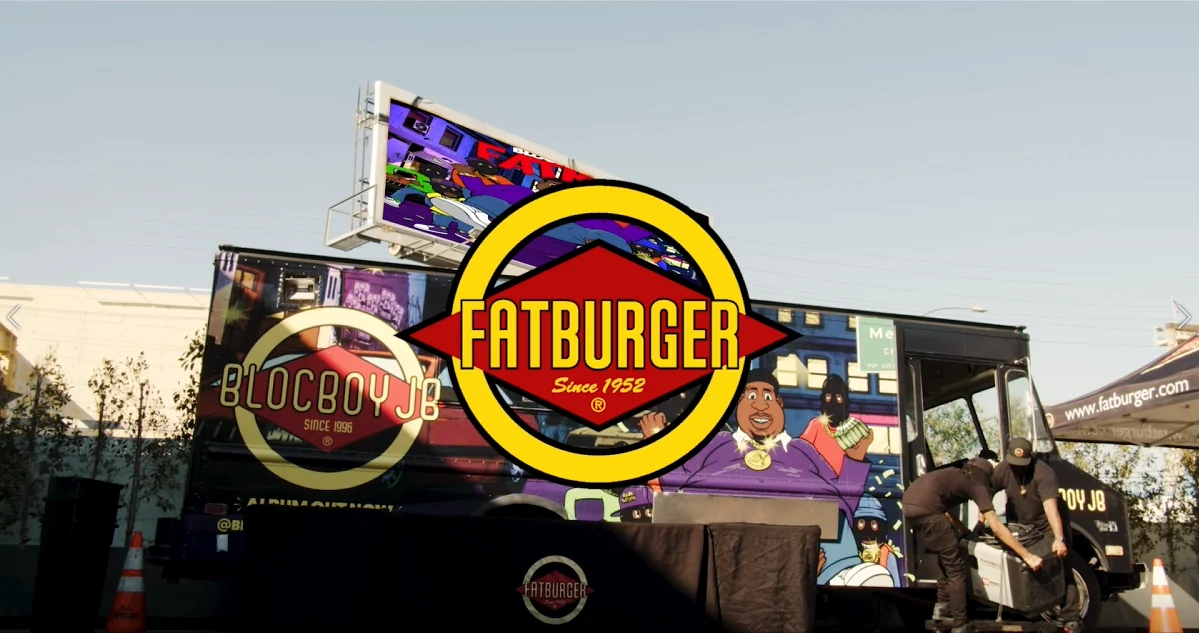
An unplanned batch day produces a folder nobody can use. Forty clips of the same shirt against the same wall read as one afternoon, which is what a feed exposes. The Fatburger x BlocBoy JB campaign is that shape of work: brand content built around an artist, where the count of usable pieces is settled in the planning.
The vertical frame and the safe zone
9:16 is not 16:9 rotated. At 1080 pixels on the short side a vertical frame is 1080 by 1920, a square is 1080 by 1080 and the 4:5 portrait frame is 1080 by 1350. The arithmetic is trivial; the consequence is not. The subject occupies a tall narrow column, so lens choice, subject distance and headroom all move, and a two-shot that worked wide becomes a stack or a single.
Platform interface sits on top of the picture. Usernames, caption text, action buttons and the progress bar cover part of the frame, the covered areas differ between apps, and they shift when apps update. Treat the outer margins as unusable.
Reframing existing 16:9 footage works when the subject was shot close and centred. It fails on a wide two-shot, because no vertical crop holds both faces. Where both ratios are needed, shoot them as separate passes. YouTube states its standard aspect ratio on a computer is 16:9.
Hooks and the first two seconds
A hook is built, not found. The visual and the spoken claim land together in the opening beat, the reason to keep watching is stated before the brand appears, and the promise is one of two kinds: information the viewer does not have, or a payoff they will wait for. Mixing the two promises nothing.
Read the retention curve as an editing note. A drop inside the first two seconds means the promise was unclear or the frame was slow to resolve. A drop at eight or nine seconds means the second beat never arrived, because the opening was written and the middle was not. Length follows structure, so a demonstration that needs six steps is not improved by cutting three of them.
Retention when the sound is off
Most feed viewing starts muted. That makes burned-in captions a comprehension requirement rather than an accessibility gesture, and it changes how they are cut: short lines, one or two on screen at a time, timed to the phrase instead of the word, and placed inside the middle band where no interface element will sit over them.
Styling carries a retention cost. Type too small to read on a phone held at arm's length loses the viewer at the same rate a weak hook does, and text that flashes faster than it can be read is worse than none.
Burned-in captions are part of the picture and cannot be changed afterwards. A caption file is a separate asset that travels with the video. Which one a destination accepts is a file format question handled in post.
Pillar posts and native uploads
A month is planned around pillars. Three or four recurring formats carry the account, each a repeatable structure rather than a one-off idea, and the calendar assigns dates to formats before anyone writes a line. What the client supplies is short: product or access, the offers and dates being promoted, one named approver, and a turnaround fast enough that a piece cut on Tuesday goes out on Wednesday.
A three-week approval loop turns a posting rhythm into a backlog of things that were nearly timely. Upload natively to each platform, because a file exported for one app and re-shared through another carries that app's watermark and a second pass of compression.
Music is the most common own goal on a business account. A track available to a personal profile is often unavailable to a business one, and a post that finally finds an audience can be muted after the fact, which is a rights question the music video page explains.
Cadence beats polish on a feed
Two posts a week for six months outperforms one film that took six months. That is why this service is bought as a retainer rather than a project. The deliverable is a rhythm, and a rhythm gets resourced monthly: shoot days per quarter, pieces per month, a named approver, a review window measured in hours.
For event organisers and venues the clock is tighter. An activation produces its highest value social output on the day itself, while the room is full, so a same-day vertical cut belongs inside the event brief rather than a follow-up two weeks later. The Rick Ross car show was that kind of day. Multicamera coverage of the event itself is live event work.
Studio 47 works from Westlake Village across Los Angeles County and Ventura County. Accounts in Thousand Oaks and Ventura batch on their own premises, brand programmes in Santa Monica run alongside commercial campaigns, and the full service list covers what else attaches to a retainer.
What one batch day actually yields
The economics of social content are the economics of a batch day, so it is worth being concrete about what a day produces.
A single shoot day with one presenter, two setups and a planned shot list reliably yields twelve to twenty finished vertical pieces. That is a month of posting at three or four a week, or six weeks at two. The number moves with wardrobe changes, how much the presenter has to memorise, and whether we are capturing product or people.
What eats a batch day is decisions. Every unplanned wardrobe change costs twenty minutes. Every script written on set costs an hour. Every location move costs half of what is left. The days that produce thirty pieces are the days where the hooks were written a week earlier and the presenter arrived knowing them.
The second lever is reuse. One well shot demonstration becomes a hook, a tutorial, a myth-buster and a cutdown, which is four pieces from one setup rather than four setups.
We plan the day as a matrix rather than a schedule: formats down one axis, topics across the other, so nothing is shot twice and nothing is missed. That is also how a video shoot and a social batch can share a single day.
Frequently asked questions
How much does social media content creation cost?
Cadence and volume set it: how many shoot days a quarter, how many finished pieces come off each one, how much editing each piece carries, and whether posting and account management are included or only the files. A batch day spreads the fixed cost across a month of posts, so the per-piece figure falls as the matrix grows.
How many videos can one shoot day produce?
The matrix decides, not the hours booked. One location with three or four wardrobe changes and two or three backdrops yields a set of anchor pieces plus derivatives from the same setups, which is a month of posts. A day run as a running order yields far fewer, because forty clips of the same shirt against the same wall read as one afternoon.
How often should a business post video content?
Three to five posts a week is the published consensus for most platforms, and consistency beats volume: two strong pieces a week outperform seven weak ones. Plan around three or four recurring pillar formats, so the calendar assigns dates to formats rather than to ideas. Studio 47 resources this as a monthly rhythm rather than a project.
What makes a video perform on TikTok or Instagram?
The first two seconds. The visual and the spoken claim land together, and the reason to keep watching is stated before the brand appears. After that it is burned-in captions, because most feed viewing starts muted, type large enough to read on a phone held at arm's length, and graphics kept inside the middle band where usernames, buttons and the progress bar will not cover them.
Do I need a professional videographer for TikTok and Reels?
Not for every piece. Founder-led content shot on a phone earns trust in raw formats and should stay raw. A professional adds what is hard to repeat: a built hook, a batch plan that fills a month in one day, vertical composed during capture instead of cropped from a 16:9 two-shot afterwards, and captions cut to the phrase.
What is UGC-style content?
Content shot to look like it was made by a customer rather than by a brand: handheld, direct to camera, unpolished on purpose. It performs because it does not look like advertising. We shoot it with a real presenter and a light touch, and it batches well, so a day of it produces a month of posting.
Can we use a popular song on our business account?
Business accounts do not get the same music library that personal accounts do, so a trending track is often unavailable or gets the post muted. The fix is planning for it: we cut to music that is cleared for commercial use, and we design the edit so it works with the sound off, which is how most of the audience watches anyway.