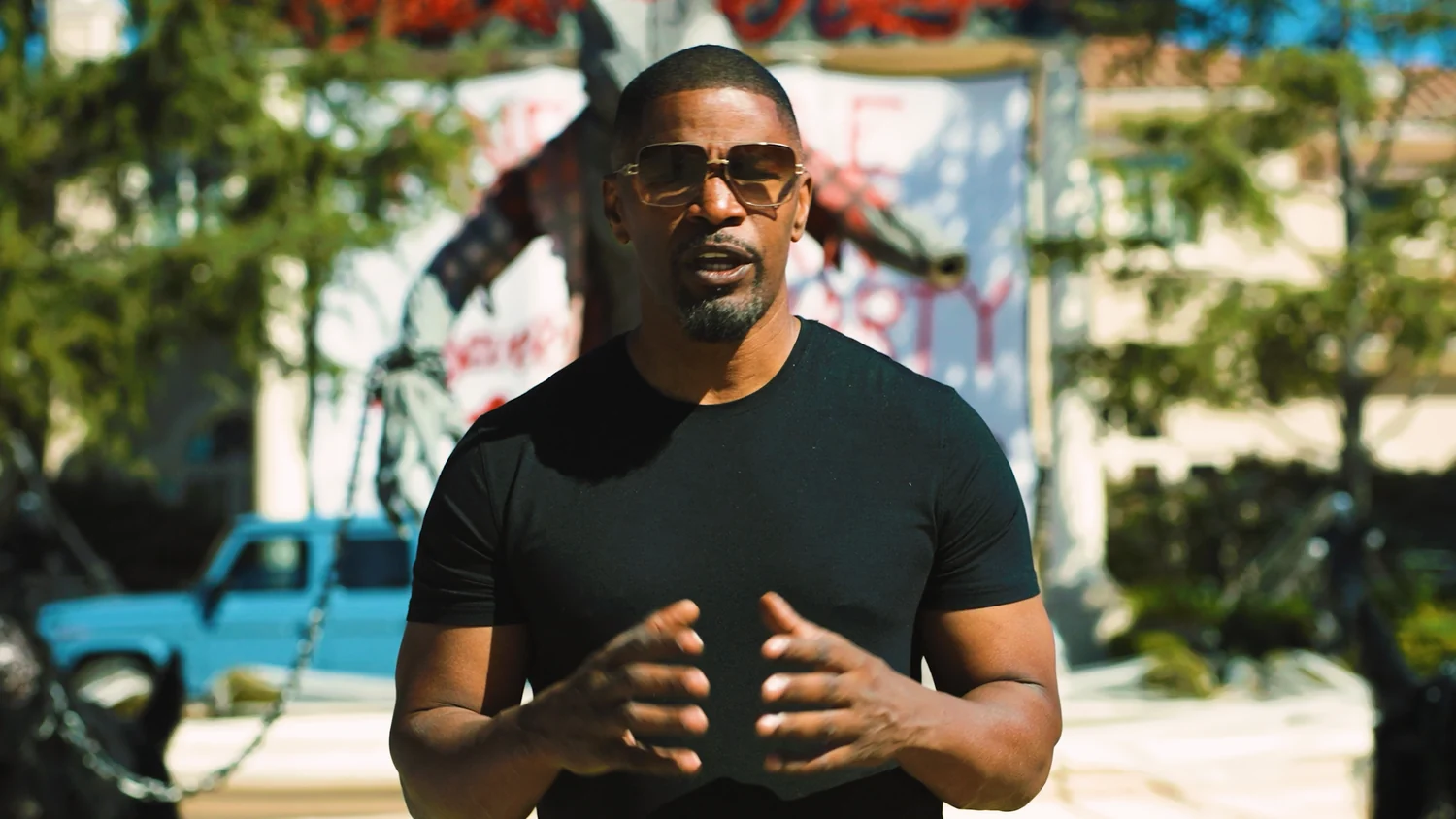
The pre-interview decides what the interview can be
The pre-interview is a phone call of roughly 20 minutes and it carries more weight than anything else here. Its job is to establish whether a story exists before booking a crew.
We listen for something specific. A moment, a number, a before and after the person can describe unprompted. Somebody who says they reconciled invoices in a spreadsheet until March and now close the month in two days has given us the film. The call also surfaces what they cannot say: contract terms, unannounced products, anything an employer would object to.
Preparation has a ceiling. Tell the story three times on the phone and the person arrives having already told it, then recites it flat to camera.
Question design that produces a self-contained soundbite
An answer has to stand alone, because the person asking is not in the finished film.
Questions stay open and ask for the moment rather than the opinion. Not "were you happy with the results". Instead, "what did the first week look like". We ask people to fold the question into the answer, so "about three weeks" becomes "it took us about three weeks to get everyone onto it".
The same thing gets asked three ways when the first two produce nothing. Silence does more work than any question. Most people stop a sentence early, and if nobody fills the gap they keep going. The second sentence is usually the one that gets used.
Clients sometimes arrive with the answers they want, written out. That fails twice over: a coached line sounds coached, and a scripted line is no longer the endorser's own opinion.
Two cameras, an eyeline, and two tracks of audio
Two cameras at different focal lengths, both on the subject, is the standard build. Cutting between them hides a trim, so tightening does not produce a visible jump.
The eyeline sits just off the lens, with the interviewer placed so the subject looks slightly across frame rather than down the barrel. Where that chair goes decides the look of the piece.
Audio records twice. A lavalier on the subject and a boom overhead, on separate tracks, so a rustle or a dead battery does not end a session nobody can rebook. The commonest ruin is air conditioning, inaudible in the room and obvious in headphones, so the thermostat gets found before the first question.
Cutaways are shot before the sitting, not after, in the customer's actual place of work. Stock footage undermines a testimonial specifically, because the whole asset is a claim that this is a real person somewhere real.
One sitting, a hero cut, pull quotes and a transcript
A 45 to 60 minute sitting yields more than one asset. The hero cut runs long enough to carry the story end to end. A shorter cut for paid placement is built from the strongest 30 seconds, not compressed down from the hero. Individual pull quotes, one claim each, go into sales decks and feeds.
The transcript is a deliverable in its own right and the one most clients underuse. Marketing teams mine it for web copy and subject lines phrased the way a customer speaks.
Subtitles matter more here than on most formats, because these get watched at a desk with sound off. File formats sit on the post-production page, and claim substantiation for a paid campaign with commercial work.
Getting a real answer on camera
The fear behind most enquiries here is identical. The customer agrees, a crew arrives, and the person freezes and answers in four words.
It happens and it is recoverable. The first ten minutes go on questions nobody will use, because the voice loosens before the content does. If the story still is not there by minute 30, saying so is the honest move, and 255.1(b) makes it the only available one anyway.
Creator content sits under the same disclosure regime from another direction, on the social content page, and an employee story filmed at your own site brings the access and approvals that belong to corporate video. We film across Los Angeles County and Ventura County, including Santa Monica and Oxnard.
Choosing the customer who will actually say it
The hardest part of a testimonial is not the shoot. It is picking the person.
The instinct is to ask your biggest client. The better choice is usually the one whose situation matches the person you are trying to reach. A buyer recognises themselves in the story, not in the logo, so a mid-sized customer with a specific problem outperforms an enterprise name giving a general endorsement.
Three things predict a good subject. They remember the before clearly, because contrast is what makes a testimonial land. They talk in specifics rather than adjectives. And they are not so senior that the interview has to be scheduled six weeks out and cut short after twenty minutes.
The pre-interview call is where you find out. Fifteen minutes on the phone tells you whether the story has a shape, and it lets us write questions that produce answers rather than statements. If the person cannot tell the story on the phone, they will not tell it on camera with a light in their face.
Two or three shorter interviews almost always beat one long one. Different voices covering the same claim reads as evidence. One voice covering everything reads as a script, however true it is.
Frequently asked questions
How much does a testimonial video cost?
The number of people filmed drives it, then how far apart they sit, whether cutaways are shot at each workplace, and how many cuts come out of every sitting. Batching several interviews into one day at one location is the honest lever, because travel and setup are the parts that repeat. Studio 47 scopes from the pre-interview, once it is clear which stories exist.
How long does a testimonial shoot take per person?
A 45 to 60 minute sitting, plus setup and cutaways. The first ten minutes go on questions nobody will use, because the voice loosens before the content does. Studio 47 shoots cutaways at the person's own place of work before the sitting rather than after. Allow half a day per subject when the location changes.
What questions should you ask in a customer testimonial video?
Ask for the moment, not the opinion. Not whether they were happy with the results, but what the first week actually looked like. Ask them to fold the question into the answer, so "about three weeks" becomes "it took us about three weeks". Ask the same thing three ways when the first two produce nothing, then leave the silence alone. The second sentence is usually the one used.
Should customers see the questions before the interview?
Send the themes, not the wording. Knowing roughly what is coming removes the anxiety without removing the discovery, while a subject who has rehearsed exact sentences recites them flat to camera. Telling the story three times on a preparation call does the same damage. Twenty minutes on the phone is enough to establish whether a story exists at all.
How do we pick the right customer for a testimonial?
Pick the one whose situation matches the buyer you are trying to reach, not the biggest logo. A mid-sized customer with a specific problem outperforms an enterprise name giving a general endorsement. The best subjects remember the before clearly, talk in specifics rather than adjectives, and are not so senior that the interview gets cut short after twenty minutes.
How long should a testimonial video be?
Sixty to ninety seconds for the main cut, and shorter for anything running on social. We shoot one sitting and cut several pieces from it: a hero film, two or three pull quotes for a feed, and a written transcript for the website. That is more useful than one long film, because different people need the story at different lengths.
What is the difference between a testimonial and a case study video?
A testimonial is the customer's voice and what the experience felt like. A case study adds the process, b-roll of the work itself and a measurable outcome, which means more shooting and a longer edit. One sitting can produce both: a hero cut carrying the story end to end, a thirty second version built for paid placement, and single pull quotes for sales decks.